“ Two days later, there was only a low wall protecting a woven matting of driftwood sticks. Oliver imagined an art student practicing, seeing what things looked like as he or she made them.On Sunday, Oliver had breakfast at six. The park was empty when he arrived. The leaves were damp and thick on the ground except for a few coppery oak leaves, always the last to fall. Tough stuff, oak, Oliver thought. He stopped to look for the latest sculpture. At first, he saw only random driftwood. It was as though a storm at high tide had leveled all traces of beach-goers. ”
Driftwood
Definition and stakes
Driftwood, defined as wood carried ashore by water or wind, embodies both ecological importance and cultural significance. It provides habitat for marine life, influences coastlines, and has supported human communities, from Norse creation myths to Inuit craftsmanship.
In literature, authors like Bret Harte evoke its haunting presence in moments of romantic solitude, while John Moncure Wetterau portrays it as a fleeting artistic medium. Earl H. Reed emphasizes its role in survival, and Robert W. Chambers incorporates it into stories of domesticity and change. These varied depictions highlight driftwood’s duality: a natural occurrence and a symbol of human connection to the rhythms of the environment.
Quotes about “driftwood”
“ In the driftwood, which we still have under consideration, are some fruits of maple, beech, oak, tulip tree, locust, and basswood. Maples are well scattered by the wind, but these seed-like fruits have taken to the water, and a few still retain vitality. An acorn, while yet alive, sinks readily, and is not suited for water navigation, unless by accident it rides on some driftwood. The fruits of the tulip tree, locust, and basswood behave well on the water, as though designed for the purpose, though we naturally, and with good reason, class them with plants usually distributed by wind. ”
 Bret Harte,
Drift from Two Shores
Bret Harte,
Drift from Two Shores
“ He was never in spirit alone. For night and day, sleeping or waking, pacing the beach or crouching over his driftwood fire, a woman's face was always before him,—the face for whose sake and for cause of whom he sat there alone. He saw it in the morning sunlight; it was her white hands that were lifted from the crested breakers; it was the rustling of her skirt when the sea wind swept through the beach grasses; it was the loving whisper of her low voice when the long waves sank and died among the sedge and rushes. She was as omnipresent as sea and sky and level sand. ”
Related terms
Authors who wrote about “driftwood”
Earl H. ReedRuel Perley Smith Edward Stratemeyer
 Robert W. ChambersCarol Norton
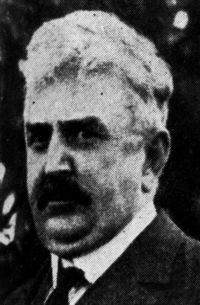 Raymond S. Spears
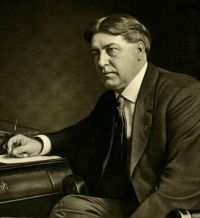 Randall Parrish
 Helen H. GardenerJohn Moncure WetterauBret HarteW. J. Beal
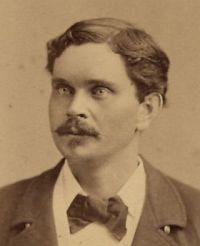 Paul BoytonD. LangeWilmer M. Ely
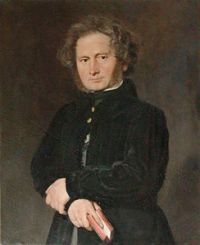 Johann David Wyss
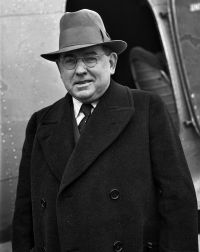 Peter B. Kyne
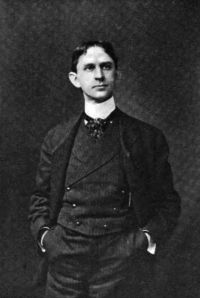 Albert Bigelow Paine
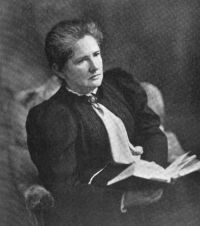 Laura Elizabeth Howe RichardsElihu Stewart
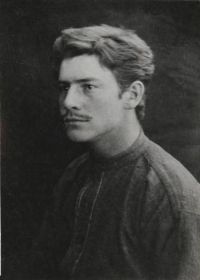 Frederick Samuel Dellenbaugh
Edward StratemeyerRobert W. ChambersCarol NortonRaymond S. SpearsRandall ParrishHelen H. GardenerJohn Moncure WetterauBret HarteW. J. BealPaul BoytonD. LangeWilmer M. ElyJohann David WyssPeter B. KyneAlbert Bigelow PaineLaura Elizabeth Howe RichardsElihu StewartFrederick Samuel Dellenbaugh