Equatorial regions

Definition and stakes

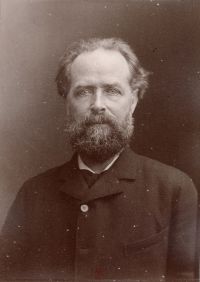
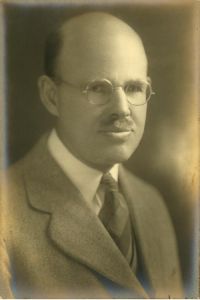
Portrait of Alfred Russel Wallace Alfred Russel Wallace,  Tropical nature, and other essays (1878)

“ The equatorial regions are then, as regards their past and present life history, a more ancient world than that represented by the temperate zones, a world in which the laws which have governed the progressive development of life have operated with comparatively little check for countless ages, and have resulted in those infinitely varied and beautiful forms—those wonderful eccentricities of structure, of function, and of instinct—that rich variety of colour, and that nicely balanced harmony of relations—which delight and astonish us in the animal productions of all tropical countries. ”
Source: Gutenberg

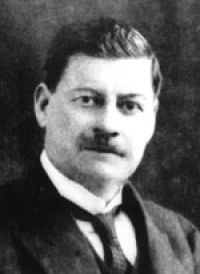
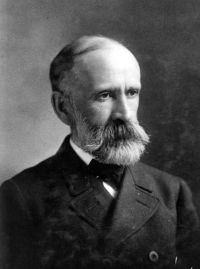
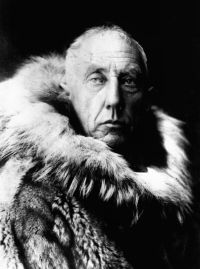
Portrait of Andrew H. Foote Andrew H. Foote,  Africa and the American Flag (1854)

“ It is known that the southeast trade-winds prevail in the Atlantic ocean, between the African and American continents, south of the equator to the tropic of Capricorn, and the northeast trade to the southward of the tropic of Cancer. It is of course generally understood, that the sun heats the equatorial regions to a higher temperature than is found anywhere else, and that the air over these regions is consequently expanded and rendered lighter than that which envelops the regions at a distance. ”
Source: Gutenberg

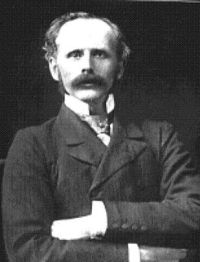
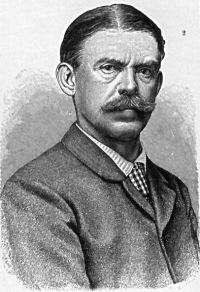
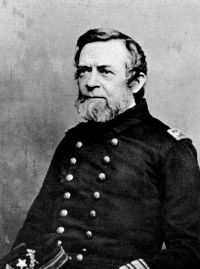
Portrait of Élisée Reclus Élisée Reclus,  Africa by Élisée Reclus/Volume 4 (1890)

“ Men " iu a pre-eminent sense, a region which further comprises the whole of the south torrid zone, and even extends beyond the equator us far as the Kameroon highlands. Like the vege- table species of the equatorial regions, which have gradually invaded the seaboard, attracted, so to say, by the warm marine currents carrying their seeds from shore to shore ; like the northern animals which have spread along the coast of the Indian Ocean to the southern extremity of the continent ”
Source: Wikisource

Get perspective with Kwize: daily news enlightened by great literature