Executive session

Definition and stakes

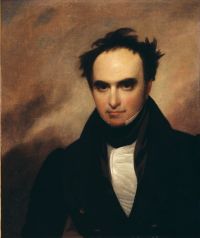
Portrait of Ulysses S. Grant Ulysses S. Grant,  Fifth State of the Union Address (1873)

“ To provide by amendment that when an extra session of Congress is convened by Executive proclamation legislation during the continuance of such extra session shall be confined to such subjects as the Executive may bring before it from time to time in writing.
The advantages to be gained by these two amendments are too obvious for me to comment upon them. One session in each year is provided for by the Constitution, in which there are no restrictions as to the subjects of legislation by Congress.
”
Source: Wikisource

J. N. Larned,  History for ready reference, Volume 6 (1895)

“ Congress to meet in regular session every year on the first Monday in November, and to remain in session for at least ninety consecutive days, excepting holidays and Sundays. Its powers to be substantially the same as those exercised by the Congress of the United States. The executive power to be exercised by the President of the republic, who "shall be elected by direct votes, and an absolute majority thereof, cast on one single day, in accordance with the provisions of the law." ”
Source: Gutenberg

J. N. Larned,  History for ready reference, Volume 1…

“ The Congress will be presided over by the President of the Senate and the presiding officer of the Chamber of Deputies will act as Vice-President. {606} Article 40. The members of the Chambers are not responsible for the opinions they express or the discourses they pronounce in session. Article 41. Senators and deputies that accept office or commission from the National Executive thereby leave vacant the posts of legislators in the Chambers to which they were elected. ”
Source: Gutenberg

Get perspective with Kwize: daily news enlightened by great literature