Forestalling

Definition and stakes

Baron Edward Hugessen Knatchbull-Hugessen Brabourne,  River Legends; Or, Father Thames and Father Rhine

“ No man’s life or property was secure, and all improvement was entirely prevented. Indeed, what was the use of building a house which was liable to be knocked down or kicked over by a giant at any moment? Of what avail would it have been to plant a field with wheat, oats, or barley, when at any and every period of the year all might be trodden down by the ruthless foot of the same monster, and the reapers possibly be stamped into the ground, together with the crops which they were gathering? ”
Source: Gutenberg

James Mercur,  Attack of Fortified Places. Including Siege-works…

“ Keeping these dangers in view, the investing force will move rapidly upon the work, seize, strengthen, and occupy strong points as near the work as possible, and extend the lines to right and left as rapidly as good judgment allows, until the place is surrounded. Meanwhile detachments of greater or less size will scour the ground around the place, seizing and carrying off or destroying, so far as possible, all cattle, grain, lumber, etc., and everything else which would be of use to the attack or defence. ”
Source: Gutenberg

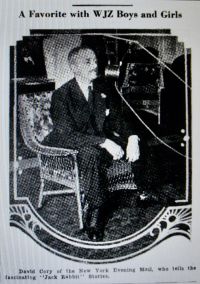
Portrait of David Cory David Cory,  The Jumble Book: A Jumble of Good Things

“ To control these savages, soldiers were needed on the plains, to prevent war parties from dashing into little frontier villages, stealing horses and cattle, burning barns and houses and murdering the people who were trying to cultivate the prairies, to turn the great plains of dry, burnt grass into fields of wheat and beautiful green meadows. ”
Source: Gutenberg

Get perspective with Kwize: daily news enlightened by great literature