Gender (linguistics)

Definition and stakes

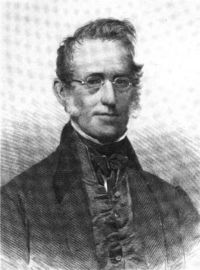
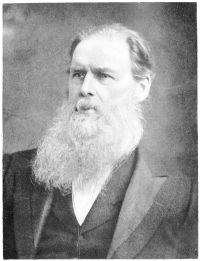
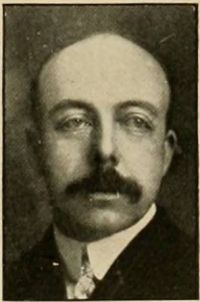
Portrait of Richard Chenevix Trench Richard Chenevix Trench,  English Past and Present

“ I refer to the renouncing of the distribution of its nouns into masculine, feminine, and neuter, as in German, or even into masculine and feminine, as in French; and with this, and as a necessary consequence of this, the dropping of any flexional modification in the adjectives connected with them. Natural sex of course remains, being inherent in all language; but grammatical gender, with the exception of ‘he’, ‘she’, and ‘it’, and perhaps one or two other fragmentary instances, the language has altogether forgone. ”

Source: Gutenberg

1911 Encyclopædia Britannica, Volume 21… (1911)

“ If this explanation be right, analogy has brought into the Indo-European languages the useless multiplication of gender marks in such sentences as the Latin hae pulcrae feminae caesae suet, where the feminine gender is indicated no less than four times without any obvious gain over the English These fair women were slain, where grammatical gender is no longer obviously indicated at all. ”
Source: Wikisource

Percival Leigh,  The Comic English Grammar (1840)

“ It is a great pity that our language is so poor in the terminations that denote gender. Were we to say of a woman that she is a rogue, a knave, a scamp, or a vagabond, we feel that we should use, not only strong but improper expressions. Yet we have no corresponding terms to apply, in case of necessity, to the female. Why is this? Doubtless because we never want them. For the same reason, our forefathers transmitted to us the words, philosopher, astronomer, philologer, and so forth, without any feminine equivalent. ”
Source: Wikisource

Get perspective with Kwize: daily news enlightened by great literature