Gradual abolition

Definition and stakes

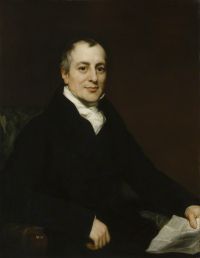
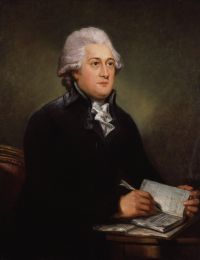
John D. Philbrick,  The American Union Speaker

“ How much stronger, then, is the argument for immediate than gradual abolition! By allowing it to continue even for one hour, do not my right honorable friends weaken—do they not desert their own arguments of its injustice? If on the ground of injustice it ought to be abolished at last, why ought it not now? Why is injustice to be suffered to remain for a single hour? ”
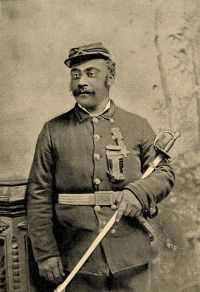
Source: Gutenberg

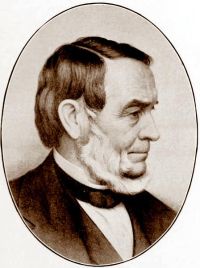
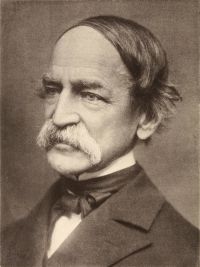
Portrait of John Greenleaf Whittier John Greenleaf Whittier,  The Works of John Greenleaf Whittier…

“ Gradual abolition, an indefinite term, but which is understood to imply the draining away drop by drop, of the great ocean of wrong; plucking off at long intervals some, straggling branches of the moral Upas; holding out to unborn generations the shadow of a hope which the present may never feel gradually ceasing to do evil; gradually refraining from robbery, lust, and murder: in brief, obeying a short-sighted and criminal policy rather than the commands of God. ”
Source: Gutenberg

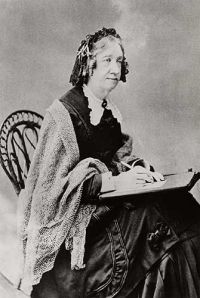
Portrait of Lydia Maria Child Lydia Maria Child,  Anti-slavery catechism (1839)

“ Their knowledge of human nature, combined with the practical evidence afforded by history, led them to conclude that immediate and unqualified emancipation was safest for the master, as well as just to the slave; but the planters raised such a hue and cry concerning bloodshed and insurrection, that the British government determined to conciliate them by a gradual abolition of slavery. It was ordained that the slaves should work six years longer without wages, under the name of apprentices; but no punishment could be inflicted without the special order of magistrates. ”
Source: Gutenberg

Get perspective with Kwize: daily news enlightened by great literature