History of medicine

Definition and stakes

Richard M. Pearce Popular Science Monthly (1912)

This period is indeed the golden age of medical progress and one to which the historian or philosopher must give his best attention if he is to interpret, properly, the impulses which actuate medical research at the present time. That the earlier history of medicine is overshadowed by the rapid progress of modern discovery as represented in bacteriology is in the nature of things. But it should not, for that reason, be forgotten that the art of medicine existed before this period and with it much science.
Source: Wikisource

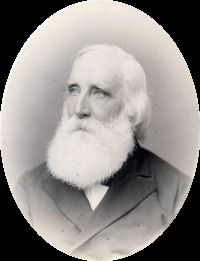
Portrait of Alfred Stillé Alfred Stillé The Essentials of the Art of Medicine (1897)

We hear a great deal of "the advance of medicine," and are often reminded of discoveries made in human and comparative anatomy and physiology through vivisection, experimental phyisiology, and chemistry, and are apt to believe that before us all the world was in darkness. But if the light of the present day does not dazzle us so much as to prevent our reading the history of medicine aright, we shall be surprised at the uniformity of the pictures of disease bequeathed to us by ancient writers, and of their identity with those that nature furnishes us to-day.
Source: Wikisource

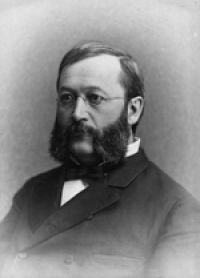
Donald William Charles Hood The Thruston speech on the progress of medicine 1880 (1880)

In every age in which we may study the history of medicine, we cannot fail to be impressed by the one dominant idea which appears to have possessed the minds of those who have made medicine their peculiar study; I allude to the search for specific remedies against disease. There are undoubtedly those who profess to believe that we have but to search with sufficient acuteness, to find a remedy specific in its action against any disease which we may be called upon to treat
Source: Wikisource

Get perspective with Kwize: daily news enlightened by great literature