Horse collar

Definition and stakes

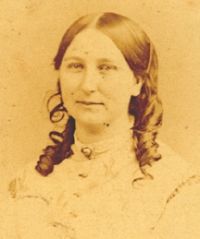
Portrait of Mrs. J. H. Riddell Mrs. J. H. Riddell,  Far above rubies (Vol. 2 of 3) (1867)

“ When the back has become used to the pack, and the world’s collar has ceased to gall, the horse, let it be ever so old, will amble along the familiar road, without whip or spur to urge him on. It is the colts who turn aside, who long for the idle days and the green pastures, for the meadows where the holiday-folks are making merry, and the silvery streams flowing through the midst. ”
Source: Gutenberg

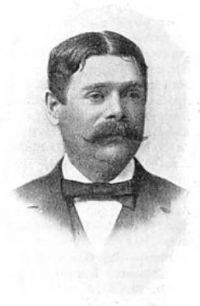
Edward L. Anderson,  Riding and Driving

“ The collar is the keystone of the pulling part of the harness. It should fit to a nicety, every horse having his own collar as much as the coachman should have his own boots. The collar should be lined with some non-porous material, preferably soft leather—even thin patent leather is good and easily cleaned. If the collar is too wide, it will rub the shoulders; if too short, it will choke the horse; if rounded at the top, it will press on and gall the withers. ”
Source: Gutenberg

Edward L. Anderson,  Riding and Driving

“ It is well to put the collar on some minutes before the horse is to be used in it, so that his neck and shoulders may be warmed for their work; and it is absolutely essential to sound skin on neck and shoulders that the collar should be left on the horse five or ten minutes after his return, hot from work. Pads or saddles should fit as well as collars and should be placed just back of the shoulders, where the muscles are no longer prominent. ”
Source: Gutenberg

Get perspective with Kwize: daily news enlightened by great literature