Huerta

Definition and stakes

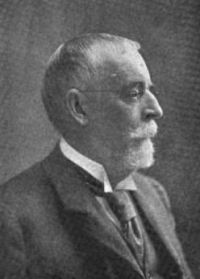
Portrait of James Lane Allen James Lane Allen,  Aftermath

“ When the harvest has been gathered from our strong, true land, a growth comes on which late in the year causes the earth to regain somewhat of its old greenness. New blades spring up in the stubble of the wheat; the beeless clover runs and blossoms; far and wide over the meadows flows the tufted billows of the grass; and in the woods the oak-tree drops the purple and brown of his leaf and mast upon the verdure of June. Everywhere a second spring puts forth between summer gone and winter nearing. It is the overflow of plenty beyond the filling of the barns. ”
Source: Gutenberg

Ella M. Sexton,  Stories of California

“ More rain fell, and soon the soaked seeds waked, and started in slender green shoots to find the sunshine, and day by day the stalks grew stronger and the fields greener. Higher and ever higher sprang the wheat, till summer winds set the tall grain waving in a sea of green billows. Have you ever watched the wind blow across a wheat-field? Over and over the long rollers bend the tops of the grain, that rise as the breeze goes on and bend low again at the next breath of wind. ”
Source: Gutenberg

the Elder Pliny,  The Natural History of Pliny, Volume 4…

“ Where it is a rich earth, those plants should be grown which require a greater proportion of nutriment, coleworts for instance, wheat, winter-wheat, and flax. The result, then, will be, that a light soil will be given to barley—the root of that grain standing in need of less nutriment—while a more dense, though easily-worked soil, will be assigned to wheat. In humid localities spelt should be sown in preference to wheat; but where the soil is of moderate temperature, either wheat or barley may be grown. Declivities produce a stronger growth of wheat, but in smaller quantities. ”
Source: Gutenberg

Get perspective with Kwize: daily news enlightened by great literature