Interpellation

Definition and stakes

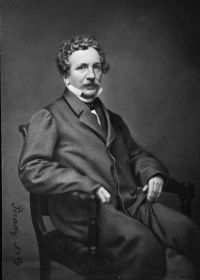
Portrait of Frederic Austin Ogg Frederic Austin Ogg,  The Governments of Europe

“ Interpellation.—The precariousness of the position occupied by French ministries is enhanced by the parliamentary device of interpellation. As in Great Britain, every member of the two chambers possesses the right at any time to put to an executive head a direct question concerning any affair of state which, without impropriety, may be made the subject of open discussion. A minister may not, however, be questioned without his consent, and the incident ordinarily passes without debate. ”
Source: Gutenberg

1911 Encyclopædia Britannica (1911)

“ An interpellation can be brought on without the consent of the minister to be attacked; it is usually made the subject of a general debate, and generally ends with a vote of confidence or want of confidence in the ministry. The right of permitting or vetoing an interpellation rests with the chamber. In France a tendency has been growing among deputies to use the interpellation as a method of attack on or accusation against individual colleagues. ”
Source: Wikisource

Constitution of Kuwait (1962)

“ Every Minister is responsible to the National Assembly for the affairs of his ministry. If the Assembly passes a vote of no-confidence against a Minister, he is considered to have resigned his office as from the date of the vote of no-confidence and shall immediately submit his formal resignation. The question of confidence in a Minister may not be raised except upon his request or upon a demand signed by ten members, following a debate on an interpellation addressed to him. ”
Source: Wikisource

Get perspective with Kwize: daily news enlightened by great literature