Jinrikisha

Definition and stakes

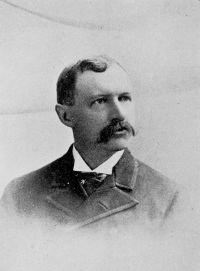
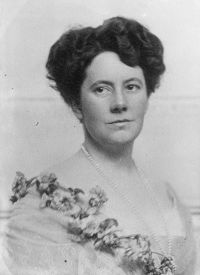
Portrait of Eliza Ruhamah Scidmore Eliza Ruhamah Scidmore,  Jinrikisha Days in Japan (1891)

“ Futen, the god of winds, has a grass-green skin, two horny toes to each foot, and a big bag over his shoulders. A fine heavy-roofed red gate-way and bell-tower distinguish another cluster of temples in this still forest nook, their altars covered with gilded images. One open shrine, which should be the resort of jinrikisha men, is dedicated to a muscular red deity, to whom votaries offer up a pair of sandals, beseeching him for vigorous legs. ”
Source: Wikisource

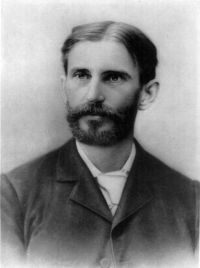
R. B. Peery,  The Gist of Japan: The Islands…

“ Her medieval civilization was accepted bodily from Asia, just as her modern is from Europe. No important inventions have been made. Even the little jinrikisha, which is the universal means of locomotion, and which, I believe, is found nowhere else except in certain Chinese ports, is said to have been first made by an American missionary for the comfort and convenience of his invalid wife. It should be said, however, that some claim the native origin of the jinrikisha, and contend that its inventor lived in Kyoto. ”
Source: Gutenberg

J. E. De Becker,  The nightless city; or, The "history of the Yoshiwara Yūkwaku" (1906)

“ The act of changing half-way when two jinrikisha are being pulled in company and one contains two people and the other only one person.
Terashi. (Rōsoka) A candle.
There is a funny story told relative to the introduction of jinrikishas, and the consequent falling into desuetude of palanquins. A certain guest asked his “lady friend” in a brothel if she could tell him what sign was most used on the lanterns of jinrikisha-men: she promptly replied “Yamagata ni ka no ji ga ō gozaimasu” (“Mostly the shape of a mountain Ʌ with the katakana syllable “ka”—カ—”) .
”
Source: Gutenberg

Get perspective with Kwize: daily news enlightened by great literature