Judicial independence

Definition and stakes

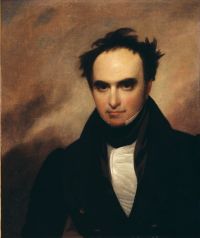
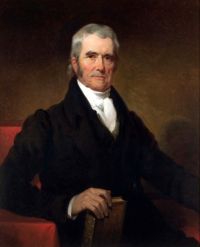
Portrait of John Taylor of Caroline John Taylor of Caroline,  An Inquiry into the Principles and Policy of the Government of the United States (1814)

“ The end of judicial independence, is to shield the judges against the influence of the creatures of the sovereignty, and the sovereignty against the evils of this influence, and not to supersede the sovereignty itself by one of its creatures. Not partiality to a nation, but to a faction or an individual, is the evil to be prevented by judicial independence.
As partiality to a nation, on the part of judges, is not the evil ; independence of the nation, is not the remedy. The evil, partiality, and the remedy, independence, both re- fer to delegated power, and not to national sovereignty
”
Source: Wikisource

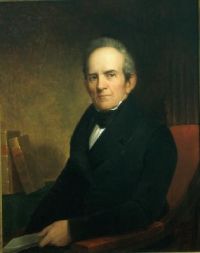
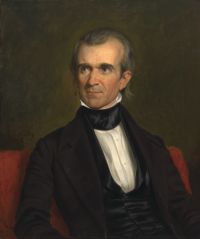
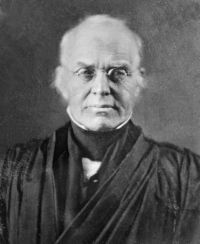
Portrait of Joseph Story Joseph Story,  Martin v. Hunter's Lessee — Opinion of the Court

“ God forbid that the judicial power in these states should ever, for a moment, even in its humblest departments, feel a doubt of its own independence. Whilst adjudicating on a subject which the laws of the country assign finally to the revising power of another tribunal, it can feel no such doubt. An anxiety to do justice is ever relieved by the knowledge that what we do is not final between the parties. And no sense of dependence can be felt from the knowledge that the parties, not the court, may be summoned before another tribunal. ”
Source: Wikisource

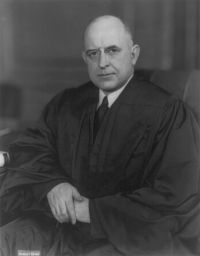
The World's Best Orations, Vol…

“ Independence is, therefore, essential to the purity of your judicial tribunals.
Let it be remembered, that no power is so sensibly felt by society, as that of the judiciary. The life and property of every man is liable to be in the hands of the judges. Is it not our great interest to place our judges upon such high ground that no fear can intimidate, no hope seduce them?
”
Source: Gutenberg

Get perspective with Kwize: daily news enlightened by great literature