Kindergarten

Definition and stakes

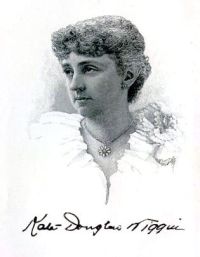
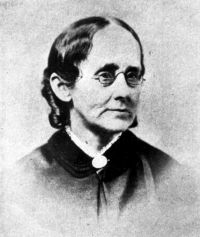
Portrait of Kate Douglas Smith Wiggin Kate Douglas Smith Wiggin,  Children's Rights: A Book of Nursery Logic

“ The kindergarten aims in no way at making infant prodigies, but it aims successfully at putting the little child in possession of every faculty he is capable of using; at bringing him forward on lines he will never need to forsake; at teaching within his narrow range what he will never have to unlearn; and at giving him the wish to learn, and the power of teaching himself. Its deep simplicity should always be maintained, and no lover of childhood or thoughtful teacher would wish it otherwise. It is more important that it should be kept pure than that it should become popular. ”
Source: Gutenberg

Levi Seeley,  History of Education

“ The purpose of the kindergarten, according to Froebel himself, is, "to take the oversight of children before they are ready for school life; to exert an influence over their whole being in correspondence with its nature; to strengthen their bodily powers; to exercise their senses; to employ the awakening mind; to make them thoughtfully acquainted with the world of nature and of man; to guide their heart and soul in the right direction, and to lead them to the Origin of all life, and to unison with Him." ”
Source: Gutenberg

Portrait of Kate Douglas Smith Wiggin Kate Douglas Smith Wiggin,  Children's Rights: A Book of Nursery Logic

“ My mind convinces me that the kindergarten idea is true; not a perfect thing as yet, but something on the road to perfection, something full of vitality and power to grow; and my heart tells me that there is no more beautiful or encouraging work in the universe than this of taking hold of the unclaimed babies and giving them a bit of motherliness to remember. The Free Kindergarten is the mother of the motherless, the father of the fatherless ”
Source: Gutenberg

Get perspective with Kwize: daily news enlightened by great literature