Kite flying

Definition and stakes

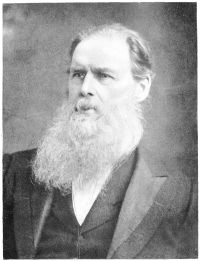
Portrait of Edward Burnett Tylor Edward Burnett Tylor,  Popular Science Monthly (1879)

“ The origin of kite-flying seems to lie somewhere in southeast Asia, where it is a sport even of grown-up men, who fight their kites by making them cut one another's strings, and fly birds and monsters of the most fantastic shapes and colors, especially in China, where old gentlemen may be seen taking their evening stroll, kite-string in hand, as though they were leading pet dogs. The English boy's kite appears thus an instance, not of spontaneous play-instinct, but of the migration of an artificial game from a distant center. ”
Source: Wikisource

Portrait of Dorothy Canfield Fisher Dorothy Canfield Fisher,  What Shall We Do Now?: Five Hundred Games and Pastimes

“ In China, and to some extent in Holland, kite-flying is not the pastime only of boys, but of grave men. And certainly grave men might do many more foolish things. To feel a kite pulling at your hands, to let out string and see it climb higher and higher and higher into the sky—this is a real joy. For good kite-flying you want plenty of room and a steady wind; hence a big field is the best place, unless you are at the seaside when there is a wind off the land, in which case you can fly your kite from the beach. ”
Source: Gutenberg

Shigemi Shiukichi,  A Japanese Boy

“ Among the recreations most fondly indulged in on the New Year holidays is kite-flying. This is so well known here that I have often been overwhelmed with questions regarding it by little Americans. Our kites are mostly rectangular, with heroes or monsters painted on them in most glaring colors. A wind instrument looking like a bow is sometimes fastened to the kite, and when the kite is in the air the wind strikes the string and makes a humming noise. At a kite fight the combatants bring their flying kites in juxtaposition and strive to cut the string by friction. ”
Source: Gutenberg

Get perspective with Kwize: daily news enlightened by great literature