Recording, the act of capturing and preserving information, has been examined across literature, law, and technology. From Ralph D. Paine’s visceral fear of documenting misconduct to the U.S. Copyright Office’s legal definitions of sound recordings, the theme spans emotional, ethical, and technical aspects.
AE reflected on the paradox of fragmented perception, while Ernest Cushing Richardson connected writing to the phonograph’s groundbreaking role in preserving oral history. Whether as a legal structure, scientific instrument, or artistic form, recording connects human experience with permanence, highlighting both the vulnerability of memory and the desire to immortalize it.
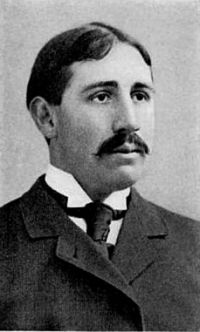
 Ralph D. Paine,
Lost Ships and Lonely Seas
(1921)
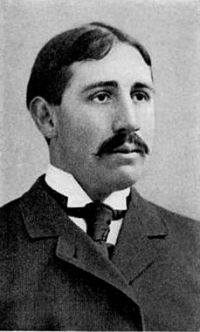
Ralph D. Paine,
Lost Ships and Lonely Seas
(1921)