Land value tax

Definition and stakes

The World's Greatest Books — Volume 14…

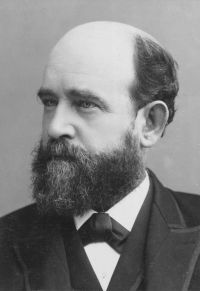
“ The whole value of land may be taken in taxation, and the only effect will be to stimulate industry, to open new opportunities to capital, and to increase the production of wealth. A tax on land values does not add to prices, and is thus paid directly by the persons on whom it falls. Land is not a thing of human production, and taxes upon rent cannot check supply. On the contrary, by compelling those who hold land on speculation to sell or let for what they can get, a tax on land values tends to increase the competition between owners, and thus to reduce the price of land. ”
Source: Gutenberg

Portrait of John Stuart Mill John Stuart Mill,  Principles of Political Economy (1871)

“ A fixed tax of so much per cultivated acre, without distinction of value, would have effects directly the reverse. Taking no more from the best qualities of land than from the worst, it would leave the differences the same as before, and consequently the same corn-rents, and the landlords would profit to the full extent of the rise of price. To put the thing in another manner; the price must rise sufficiently to enable the worst land to pay the tax; thus enabling all lands which produce more than the worst, to pay not only the tax, but also an increased rent to the landlords. ”
Source: Wikisource

Samuel Belcher Clarke,  Criticisms Upon Henry George, Reviewed from the Stand-Point of Justice (1888)

“ Such taxes fall very lightly upon land values, being drawn chiefly from commodities and from houses and other real-estate improvements. Being so large they must seriously impede the production of houses, commodities, etc. If such taxes could be completely abolished, is it not probable that the building of houses, the making of commodities, and industry generally would be greatly stimulated? According to Professor Harris’ estimates a land-value tax at four per cent. ”
Source: Wikisource

Get perspective with Kwize: daily news enlightened by great literature