Lateen sail

Definition and stakes

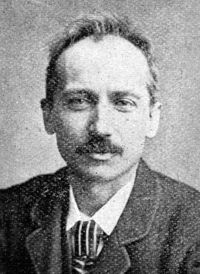
Portrait of E. Keble Chatterton E. Keble Chatterton,  Sailing ships (1909)

“ The sail on the mizzen mast now called a driver or spanker was chiefly used when on a wind, being usually stowed when running. The boom will be found to project very far over the stern, even to an almost incredible extent, yet this is quite accurate for the period. As is still the custom, the gaff was kept up when the sail was not in use, contrary to the practice on a modern cutter-rigged vessel. The origin of this sail we have seen develop from the old lateen, and modified in its transition by Dutch influence. ”
Source: Gutenberg

Marquis of Frederick Temple Blackwood Dufferin and Ava,  Letters from High Latitudes

“ Wyse!" "'Bout ship!" "Down with the helm!" "Helm a-lee!" Up comes the schooner's head to the wind, the sails flapping with the noise of thunder—blocks rattling against the deck, as if they wanted to knock their brains out—ropes dancing about in galvanised coils, like mad serpents—and everything to an inexperienced eye in inextricable confusion; till gradually she pays off on the other tack—the sails stiffen into deal-boards—the staysail sheet is let go—and heeling over on the opposite side. Again she darts forward over the sea like an arrow from the bow. "Stand by to make sail!" ”
Source: Gutenberg

Portrait of Hilaire Belloc Hilaire Belloc,  Esto perpetua (1906)

“ The harbour-boats that run between the fleet and the shore hoist these lateens. Yet it is not of our own making, and, indeed, it bears a foreign mark which is very distinct, and which puzzles every northerner when first he comes across this sail: it reefs along the yard. Why it should do so neither history nor the men that handle it can explain, since single sails are manifestly made to reef from the foot to the leach, 9where a man can best get at them. Not so the lateen. ”
Source: Gutenberg

Get perspective with Kwize: daily news enlightened by great literature