Liturgical calendar

Definition and stakes

K. A. Heinrich Kellner,  Heortology (1908)

“ With regard to the Roman rite in particular, there are no special masses for the Sundays after Easter and Pentecost in the Leonine sacramentary. A further development appears in the Gelasian sacramentary, where the Sundays in Lent and those between Easter and Pentecost alone have a clearly defined liturgical character, and keep their special place in the Calendar. ”
Source: Gutenberg

K. A. Heinrich Kellner,  Heortology (1908)

“ For the dates of our Lady’s feasts, viewed in their chronological order, overlap the limits of the year, and being subject to the same principles which regulate saints’ days, fall invariably on fixed days in the Calendar, and so cannot be said to form an integral part of the ecclesiastical year. Nevertheless they form in themselves a cycle of festivals, as is also the case in a lesser degree with regard to St John the Baptist. ”
Source: Gutenberg

George Nichols Packer,  Our Calendar

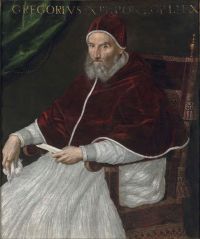
“ Again it should be borne in mind that the Pope was a churchman and wished to abide by the decision of that council in celebrating the festival of Easter, so he drops the ten days and restores the vernal equinox to the 21st of March, its date at the meeting of the Council of Nice in 325, the date by which Easter day was determined. He not only made the correction, but he so reformed the calendar that the solar and the civil year are now made to coincide very nearly. ”
Source: Gutenberg

Get perspective with Kwize: daily news enlightened by great literature