Lunar month

Definition and stakes

| override_editor,  Encyclopædia Britannica, Ninth Edition (1878)

“ But in the early ages of the world, when mankind were chiefly engaged in rural occupations, the phases of the moon must have been objects of great attention and interest,—hence the month, and the practice adopted by many nations of reckoning time by the motions of the moon, as well as the still more general practice of combining lunar with solar periods. The solar day, the solar year, and the lunar month, or lunation, may therefore be called the natural divisions of time. ”

Source: Wikisource

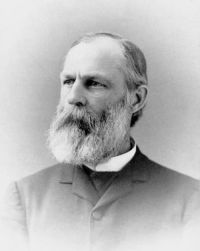
Portrait of Martin P. Nilsson Martin P. Nilsson,  Primitive Time-reckoning

“ In between lie the separate phases of the waxing and waning moon. The synodic month is the interval between two new moons and comprises on an average 29 days 12 hrs. 44 min. 2.98 secs. This is the true lunar month: other varieties of month are of no importance for us.
"The risings and settings of the stars. It has already been remarked that the sun in the course of a year runs through the zodiac backwards, so that one particular star culminates 3 min. 56 secs. earlier every day.
”
Source: Gutenberg

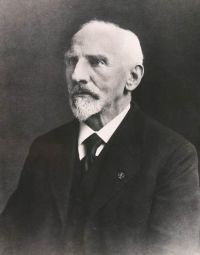
Portrait of Crawford Howell Toy Crawford Howell Toy,  Introduction to the History of Religions

“ The new moon, apart from its function of indicating the beginning of the lunar month, has also by many tribes been hailed with joy as a friend restored to life after seeming extinction.993 The full moon, while it has not entered so intimately into the emotional life of man, has played an important part by marking the division of the month into two equal parts. ”
Source: Gutenberg

Get perspective with Kwize: daily news enlightened by great literature