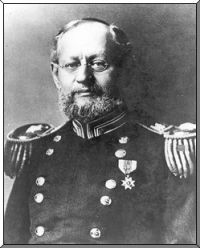
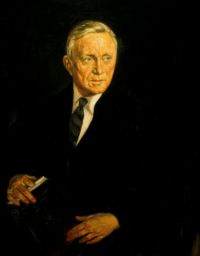
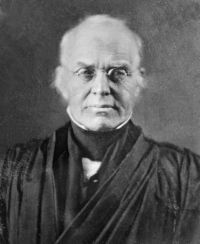
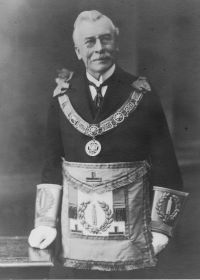
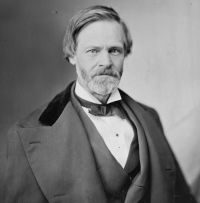
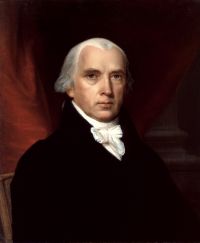
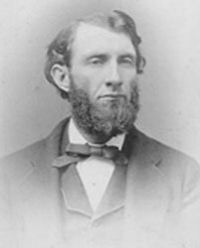
The majority vote, a foundational principle in decision-making, refers to the selection of an option or candidate receiving more than half of the votes cast. This concept has been explored extensively by authors such as Percy Greg, who contrasted majority rule with democratic theories, and Henry Martyn Robert, who outlined its procedural role in parliamentary practice.
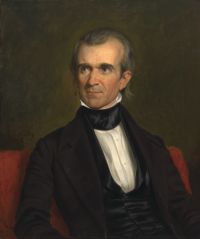
John Stuart Mill critiqued its potential to misrepresent true majorities, while David Dudley Field and James K. Polk highlighted paradoxes where majority outcomes might conflict with public opinion. From legislative frameworks to electoral systems, the theme reveals how majority vote shapes governance, often balancing collective choice against structural complexities. The data underscores its enduring significance as both a tool of democracy and a subject of rigorous debate.