Market access refers to the ability of businesses to sell goods and services across international borders, differing from free trade in that it involves barriers such as tariffs or quotas. This concept includes both tangible products and intangible services, with the latter often encountering regulatory hurdles that go beyond physical border controls.
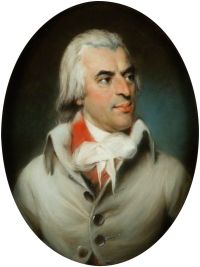
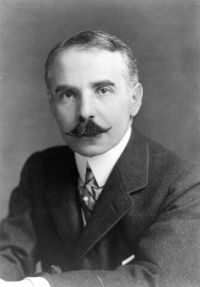
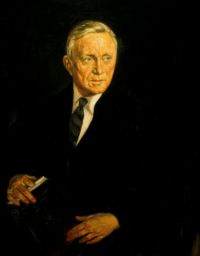
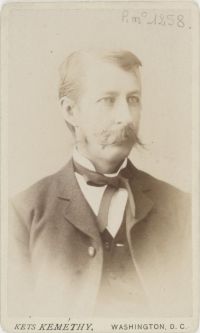
Scholars like Adam Smith emphasized the role of open markets in facilitating efficient exchange, while Charles Whiting Baker stressed the importance of fair access for all participants. Arthur Young highlighted the self-correcting nature of markets, and William Ingraham Russell demonstrated the strategic value of information in market processes. Together, these viewpoints illustrate market access as a complex interaction of regulation, clarity, and economic interconnectedness.