Marking (zoology)

Definition and stakes

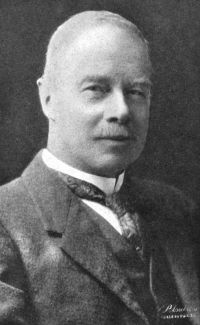
Portrait of William Lucas Distant William Lucas Distant,  The Zoologist (1898)

“ The origin of spots and stripes is shrouded in obscurity. In domesticated animals, such as Dogs, Cats, cattle, and Horses, unsymmetrical markings constantly occur. According to Mr. Wallace, "Such markings never occur in wild races, or if they occur in individual cases they never increase; and I have given reasons for thinking that symmetrical colour and marking is kept up in nature for facility of recognition, a factor essential to preservation and to the formation of new species." ”
Source: Wikisource

Charles V. Riley,  Directions for Collecting and Preserving Insects

“ The miners are easily noticed by the discolored spots on the leaves or the wavy, pale, or brown lines marking their burrows. The presence of others is indicated by the leaves being drawn together and united with webs, or withered and brown from being skeletonized by the larvæ. Many species are case-bearers, and live upon the leaves and branches of trees and plants, dragging their cases along with them. Others burrow in grasses or in the stems of plants or the trunks of trees, or in fungi. In the case of the leaf-miners and leaf-tiers, little difficulty is experienced in rearing the imagoes. ”
Source: Gutenberg

Frank E. Beddard,  The Cambridge natural history, Vol…

“ The coloration of mammals frequently exhibits conspicuous patterns of marking. These are in the form of longitudinal stripes, of cross-stripes, or of spots; the latter may be "solid" spots, or broken up, as in the Leopard and Jaguar, into groups of smaller spots arranged in a rosette-fashion. We never find in mammals the complicated "eyes" and other markings which occur in so many birds and in other lower Vertebrates. It is important to note that in the Mammalia whose sense of sight is quite keen there should be a practical absence of secondary sexual colours. ”
Source: Gutenberg

Get perspective with Kwize: daily news enlightened by great literature