Mate (ship)

Definition and stakes

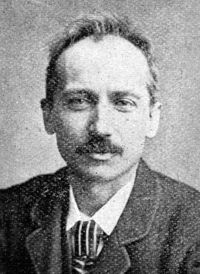
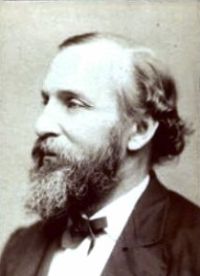
Portrait of Joseph Conrad Joseph Conrad,  The Secret Sharer

“ And I did not let him off a single item; mate’s room, pantry, storerooms, the very sail locker which was also under the poop—he had to look into them all. When at last I showed him out on the quarter-deck he drew a long, spiritless sigh, and mumbled dismally that he must really be going back to his ship now. I desired my mate, who had joined us, to see to the captain’s boat.
The man of whiskers gave a blast on the whistle which he used to wear hanging round his neck, and yelled, “Sephora’s away!”
”
Source: Gutenberg

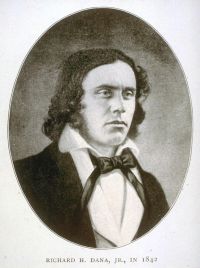
Portrait of Richard Henry Dana Richard Henry Dana,  Two Years Before the Mast

“ I can do a man's work aboard! I didn't come through the cabin windows! If I'm not mate, I can be man,'' &c., &c.
This was all fun for us, who stood by, winking at each other, and enjoying the contest between the higher powers. The captain took the mate aft; and they had a long talk, which ended in the mate's returning to his duty. The captain had broken through a custom, which is a part of the common law of a ship, and without reason, for he knew that his mate was a sailor, and needed no help from him; and the mate was excusable for being angry.
”
Source: Gutenberg

Portrait of Joseph Conrad Joseph Conrad,  The Mirror of the Sea (1924 (first published in 1906))

“ For the chief mate is the keeper of the ship's anchors and the guardian of her cable. There are good ships and bad ships, comfortable ships and ships where, from first day to last of the voyage, there is no rest for a chief mate's body and soul. And ships are what men make them: this is a pronouncement of sailor wisdom, and, no doubt, in the main it is true. ”
Source: Wikisource

Get perspective with Kwize: daily news enlightened by great literature