Miners' strike

Definition and stakes

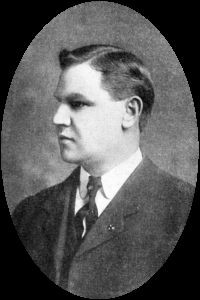
Portrait of William Z. Foster William Z. Foster,  The Great Steel Strike and its Lessons

“ Moreover, since the armistice it had fallen into disuse,—as far as employers were concerned; but upon the strength of it the miners' strike was outlawed, Federal Judge Anderson issuing an injunction which commanded the union officials to rescind the strike order and to refuse all moral and financial assistance to the strikers. Rarely has a labor union found itself in so difficult a situation. The only thing that saved the miners from a crushing defeat was their splendid organization and strategic position in industry. ”
Source: Gutenberg

Homer Greene,  Coal and the coal mines (1889)

“ It is certain that no scheme of payment has yet been devised which is perfectly satisfactory to the great body of workers in the mines. But it is true also that employer and employee are working together more harmoniously now than they have worked at any time in the past, and that long and stubborn strikes of miners are growing, year by year, less frequent. It is to be hoped that the time will come when even the strike will not be considered necessary as a weapon of defense for the workman. As a rule strikes result in loss, and in loss only, to both capital and labor ”
Source: Gutenberg

Portrait of Voltairine De Cleyre Voltairine De Cleyre,  Direct Action

“ If it is a steel rolling mill strike, it means beating up the scabs, breaking the windows, setting the gauges wrong, and ruining the expensive rollers together with tons and tons of material. IF it's a miners' strike, it means destroying tracks and bridges, and blowing up mills. If it is a garment workers' strike, it means having an unaccountable fire, getting a volley of stones through an apparently inaccessible window, or possibly a brickbat on the manufacturer's own head. ”
Source: Wikisource

Get perspective with Kwize: daily news enlightened by great literature