Moralism

Definition and stakes

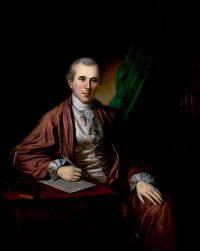
Portrait of George Edward Moore George Edward Moore,  Principia Ethica — Chapter I (1903)

“ Whenever we say, ‘So and so is a good man,’ or ‘That fellow is a villain’; whenever we ask, ‘What ought I to do?’ or ‘Is it wrong for me to do like this?’; whenever we hazard such remarks as ‘Temperance is a virtue and drunkenness a vice’—it is undoubtedly the business of Ethics to discuss such questions and such statements; to argue what is the true answer when we ask what it is right to do, and to give reasons for thinking that our statements about the character of persons or the morality of actions are true or false. ”
Source: Wikisource

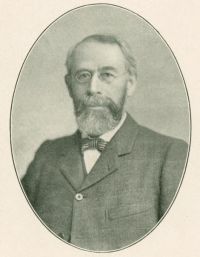
Portrait of C. S. Lewis C. S. Lewis,  Mere Christianity (1952)

“ We then admit that something else—call it ‘morality’ or ‘decent behaviour’, or ‘the good of society’—has claims on this self: claims which interfere with its own desires. What we mean by ‘being good’ is giving in to those claims. Some of the things the ordinary self wanted to do turn out to be what we call ‘wrong’: well, we must give them up. Other things, which the self did not want to do, turn out to be what we call ‘right’: well, we shall have to do them. ”
Source: https://www.dacc.edu/assets/pdfs/PCM/merechristianitylewis.pdf

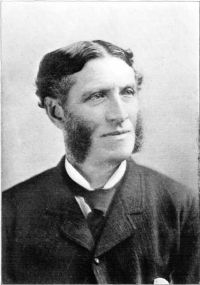
M. Valentine,  Theoretical Ethics

“ Most startling diversities and contrasts are continually appearing. Hence it has often been said that our moral judgments rest, in fact, on no original and permanent principles discerned by a distinct and universal faculty of the soul, but are a purely adventitious and accidental product, shaped in ideas that come of circumstances,48 education or the shifting spirit of the age.13 The law of morality is reduced to the dictates of expediency or to sentiment and caprice born of our changeful desires. ”
Source: Gutenberg

Get perspective with Kwize: daily news enlightened by great literature