Motor coat

Definition and stakes

Alfred Charles William Harmsworth,  Motors and Motor-Driving (1902)

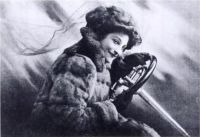
“ The coat of which an illustration is given is excellent for the purpose, but it is more elaborate. It has, however, the leather waistcoat or undercoat attached to it, and is extremely comfortable. It can be made in any cloth or material. It has heavy fur which, while it looks smart, is a sure means of catching and retaining dust, and the great object to be aimed at in motor travelling is to find something which will not collect dust, for if coats, rugs, &c. get dusty it is almost impossible to get rid of it. ”
Source: Wikisource

Alfred Charles William Harmsworth,  Motors and Motor-Driving (1902)

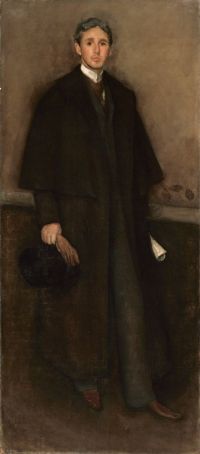
“ The longer a coat is the better, for it is round the extremities that the cold is felt as much as anywhere. Therefore a coat should be made loose enough to wrap round the figure and fold well over the knees. It is quite impossible to keep warm in a rapid motor journey except by using fur rugs, and they should be backed with leather, which mitigates the trouble of beating the dust out of them at the end of the day.
Glengarry Cap
Difficult as it is, however, to keep warm and fairly clean as regards the clothes which should be worn, the real problem, is how to keep a hat on.
”
Source: Wikisource

Alfred Charles William Harmsworth,  Motors and Motor-Driving (1902)

“ A Piccadilly tailor, again, is building a special motor-coat, which obviates the necessity for a rug by being cut very wide in the skirt and buttons at the side. The garment is of good appearance, and somewhat resembles a German officer's greatcoat. The motorist, therefore, has a choice of serviceable attire. One of the disagreeables of a long drive through rain is that the water is apt to accumulate on the seat of the carriage, so that its occupants are virtually sitting in a small bath. ”
Source: Wikisource

Get perspective with Kwize: daily news enlightened by great literature