Musical training

Definition and stakes

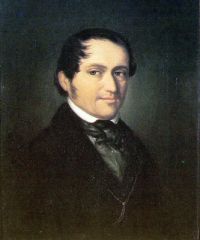
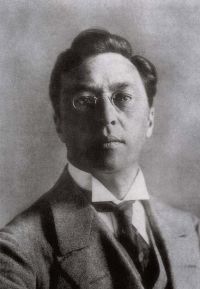
David C. Taylor,  The Psychology of Singing

“ To the rudiments of music no attention whatever is usually paid. Many vocal students realize the need of a general musical training, and seek it through studying the piano and through choir and chorus singing. But the vocal teacher seldom finds time to teach his pupils to read music at sight. This is a serious mistake. The artistic use of the voice is dependent on the possession of a trained ear and a cultured musical taste. Ear training and musical culture are greatly facilitated by a knowledge of the technical basis of the art of music. ”
Source: Gutenberg

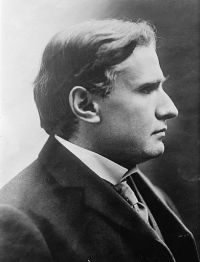
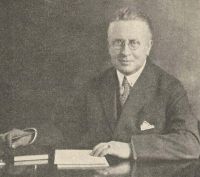
Portrait of James Francis Cooke James Francis Cooke,  Great Singers on the Art of Singing

“ Good Musical Training.—A thorough musical training—that is, a training upon some musical instrument such as the piano—is extremely desirable, but not absolutely essential; for the instrument called the Human Voice can be played on as effectively as a violin. The singer who is convinced of his ability, but who has not had such advantages in early youth, should not be discouraged. He can acquire a thorough knowledge of the essentials later on, but he will have to work very much harder to get his knowledge—as I was obliged to do. Artistic ability is by no means a certain quality. ”
Source: Gutenberg

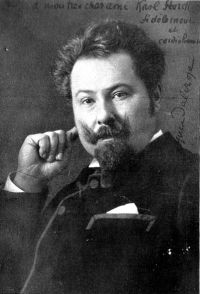
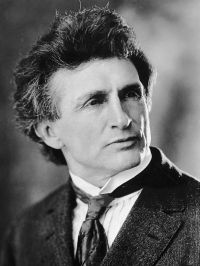
Portrait of James Francis Cooke James Francis Cooke,  Great Singers on the Art of Singing

“ While the training of the voice may be deferred to the age of sixteen, the early years should by no means be wasted. The general education of the child, the fortification of the health and the study of music through the medium of some instrument are most important. The young girl who commences voice study with the ability to play either the violin or the piano has an enormous advantage over the young girl who has had no musical training. ”
Source: Gutenberg

Get perspective with Kwize: daily news enlightened by great literature