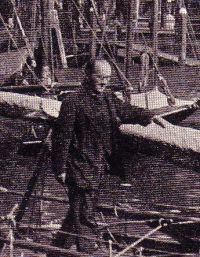
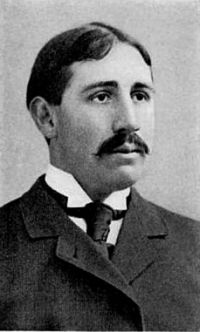
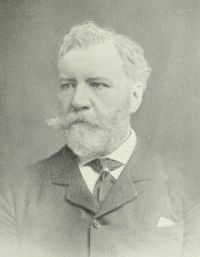
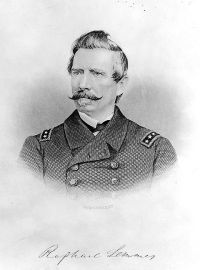
A neutral ship, within the framework of international law and maritime history, denotes a vessel belonging to a state uninvolved in a conflict, granted legal safeguards to remain uninvolved in hostilities. This concept has been analyzed by various scholars, such as Henry Alexander Munro-Butler-Johnstone, who investigated the confiscation of enemy cargo carried by neutral vessels, and Thomas Barclay, who emphasized the violation of neutrality when such ships operated under enemy escorts.
Reinhard Scheer discussed the difficulties of distinguishing neutral vessels from those covertly serving enemy interests during wartime, while Francis Taylor Piggott questioned the validity of belligerent inspections of neutral ships. These viewpoints highlight the conflict between sovereignty, trade, and warfare, demonstrating how the designation of a neutral ship has influenced legal discussions and military strategies throughout history. The topic ultimately illustrates the delicate equilibrium between international law and the harsh realities of war.