“ SOCRATES: We are agreed, then, that every form of ophthalmia is a disease, but not every disease ophthalmia?ALCIBIADES: We are.SOCRATES: And so far we seem to be right. For every one who suffers from a fever is sick; but the sick, I conceive, do not all have fever or gout or ophthalmia, although each of these is a disease, which, according to those whom we call physicians, may require a different treatment. They are not all alike, nor do they produce the same result, but each has its own effect, and yet they are all diseases. ”
Ophthalmia
Definition and stakes
Ophthalmia, a term referring to inflammation of the eye, has been explored in medical, philosophical, and literary contexts. Plato regarded it as a distinct illness within a wider spectrum of diseases, while Robert Liston described its clinical features and remedies, noting the range of its intensity.
Plutarch contrasted the physical pain of ophthalmia with mental distress, and Erasmus Darwin connected it to sensory experiences. Arnold James Cooley emphasized its susceptibility in infants, highlighting societal anxieties. These viewpoints together illustrate ophthalmia as a means through which historical understandings of health, perception, and human vulnerability converged.
Quotes about “ophthalmia”
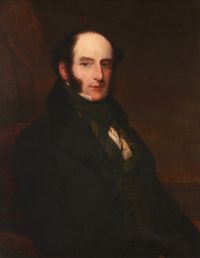 Robert Liston,
Elements of Surgery
Robert Liston,
Elements of Surgery
“ Children are not unfrequently the victims of purulent ophthalmia—the ophthalmia neonatorum. Immediately after birth the conjunctival lining of the eyelids seems unusually red and turgid, and a great degree of swelling soon takes place, so as to render separation of the eyelids very difficult. Occasionally eversion of the lids occurs, when the child cries, from sudden and forcible contraction of the strong external fibres of the orbicular muscle. ”
Robert Liston,
Elements of Surgery
“ Most of them are attended with pain and other annoying symptoms, and some cause loss of vision. Some are cured by internal means; others require surgical operations; and the cure is either complete and permanent, or palliative and temporary. Some destroy the organ, and others, still more malignant, cause extinction of life. All require much attention and care.Of Ophthalmia, or Inflammation of the Eye.—The symptoms and appearances of ophthalmia vary much according to the particular texture or textures affected. ”