The cornea, the transparent front part of the eye, is crucial for refraction, accounting for about two-thirds of the eye’s optical power. Its structure—made up of five layers, including the avascular stroma and endothelium—ensures clarity while allowing nutrient exchange.
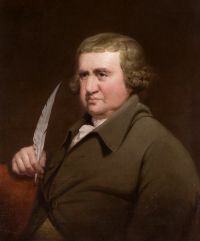
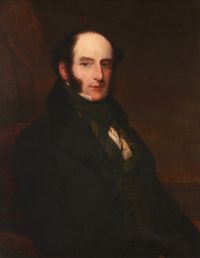
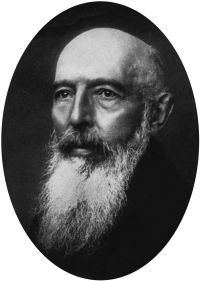
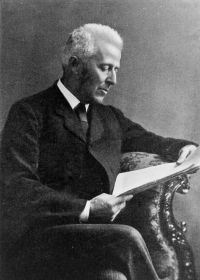
Authors such as Joseph Turnley emphasized its aesthetic and functional significance, while Erasmus Darwin outlined techniques for identifying corneal irregularities. Alexander Turnbull recorded clinical cases, and Calvin Cutter described its anatomical makeup. These diverse viewpoints highlight the cornea’s dual nature as both a biological wonder and a subject of medical investigation, essential for vision and surgical advancement.
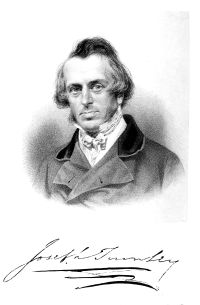 Joseph Turnley,
The Language of the Eye
(1856)
Joseph Turnley,
The Language of the Eye
(1856)