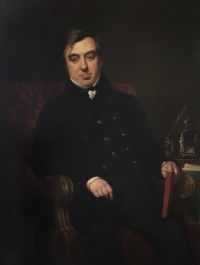
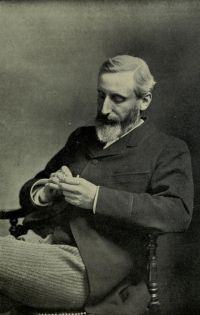
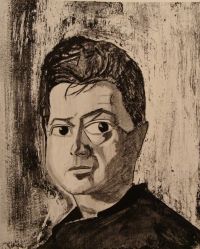
Opacity denotes a material's resistance to light transmission, encompassing absorption, reflection, and scattering. Philosophers and writers have examined its implications: Feijoo likened human intellect to a surface where light is reflected rather than penetrating, while Mercer praised light's dynamic interaction with shadow in nature.
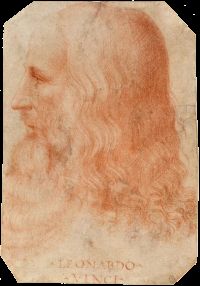
Da Vinci emphasized the eye's role in mediating perception, and Eckhart drew spiritual comparisons between visual clarity and divine understanding. These viewpoints reveal opacity as both a physical phenomenon and a metaphor for cognitive and existential limits, connecting science, art, and philosophy.
 Benito Jerónimo Feijoo,
Essays, or discourses, vol. 1…
(1780)
Benito Jerónimo Feijoo,
Essays, or discourses, vol. 1…
(1780)