Parish house

Definition and stakes

J. Charles Cox,  How to write the history of a parish (1879)

“ Nor should attention be [47] only directed to manor-houses. All old domestic work is worth chronicling, so rapidly is it disappearing both in town and country; and the annalist of a parish should not be above transcribing all the initials and dates so frequently seen on lintel stones. As a rule, every house or cottage, not obviously modern, that has stone buttresses, a moulded wall-plate or string-course, or bevelled stone mullions to the windows, is worthy of careful examination. ”

Source: Gutenberg

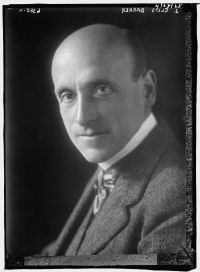
Portrait of Francis Aidan Gasquet Francis Aidan Gasquet,  Parish life in mediæval England (1906)

“ Dunstan’s, Canterbury, gives a useful description of the purposes for which the Church, or, as it was sometimes called, the Parish, House existed. In the fifteenth century, and indeed before that, [Pg 234] the church was the real centre of all parochial life, social as well as religious. “From the font to the grave the greater number of people lived within the sound of its bells. ”
Source: Gutenberg

Portrait of Francis Aidan Gasquet Francis Aidan Gasquet,  Parish life in mediæval England (1906)

“ Every adult of both sexes had a voice in this self-government, and, as Bishop Hobhouse has pointed out, in pre-Reformation days a wise freedom in the management of the fabric of the church and its accessories seemed to have been left to the parish by the diocesan authorities. They—the people—encouraged by every means in their power, and indeed frequently initiated, those manifestations of zeal for beautifying God’s house which form so remarkable a feature in the architectural history of the fifteenth and early sixteenth centuries. ”
Source: Gutenberg

Get perspective with Kwize: daily news enlightened by great literature