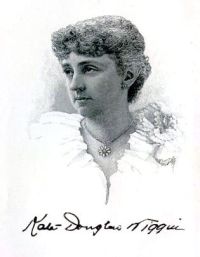
Pastime refers to leisure activities undertaken for enjoyment or relaxation, encompassing both physical and intellectual endeavors. Authors have long examined its dual nature: Charles Dickens critiques its potential to become a source of resentment, while Queen Marguerite of Navarre portrays it as a spiritual exercise for contemplative reflection.
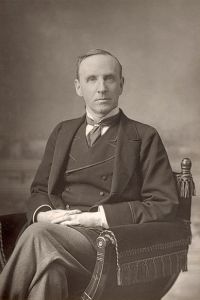
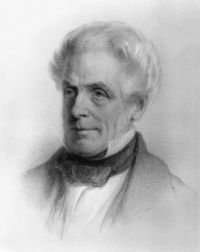
James George Frazer differentiates between collective and individual recreations, and Alban Butler cautions against aimless amusements that divert attention from moral duty. These diverse viewpoints emphasize recreation’s function as both a social connector and a personal obligation, influenced by cultural and ethical frameworks.
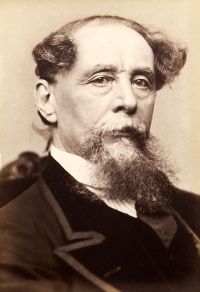 Charles Dickens,
A Tale of Two Cities
(1859)
Charles Dickens,
A Tale of Two Cities
(1859)