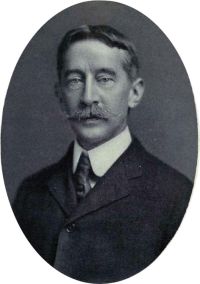
A pawnshop is a commercial establishment where individuals offer personal property as collateral for loans, often reflecting themes of economic hardship, concealed worth, and ethical uncertainty. Authors like Charles Dickens portray pawnshops as locations of social division, where objects narrate tales of loss and endurance, while Joseph Smith Fletcher employs them as central elements in mysteries, emphasizing their function in hiding evidence.
Edward Bulwer-Lytton conveys the emotional significance of pawned possessions, and Israel Zangwill places them within dynamic, multicultural urban environments. These diverse depictions highlight the pawnshop as a threshold space where material transactions intersect with human complexity, exposing both fragility and strength.
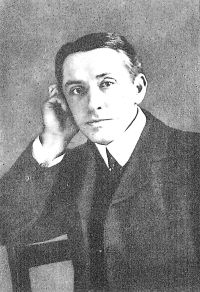 Joseph Smith Fletcher,
The Orange-Yellow Diamond
(1922)
Joseph Smith Fletcher,
The Orange-Yellow Diamond
(1922)