Peace of Europe

Definition and stakes

Jay William Hudson A Practical International Program (1915)

The deliberations of the warring nations at the close of the war, when they conclude their negotiations for the peace of Europe, will be one of the most important and far-reaching events of all history. It will be an event that will not only profoundly affect the future fortunes of Europe, but will be of vital importance to the whole civilized world.
Source: Wikisource

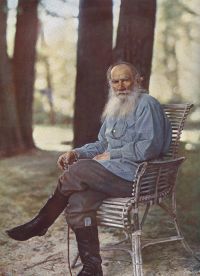
Portrait of Leo Tolstoy Leo Tolstoy Patriotism and Christianity (1896)

There is no single speech nor article in which it is not said that the purpose of all these orgies is the peace of Europe. At a dinner given by the representatives of French literature, all breathe of peace. M. Zola, who, a short time previously, had written that war was inevitable, and even serviceable; M. de Vogué, who more than once has stated the same in print, say, neither of them, a word as to war, but speak only of peace. The sessions of Parliament open with speeches upon the past festivities; the speakers mention that such festivities are an assurance of peace to Europe.
It is as if a man should come into a peaceful company, and commence energetically to assure everyone present that he has not the least intention to knock out anyone's teeth, blacken their eyes, or break their arms, but has only the most peaceful ideas for passing the evening.
Source: Wikisource

German Emperor William II The German Emperor as Shown in His Public Utterances

As inhabitants of this border-land, you naturally have the greatest interest in the further maintenance of peace, and I rejoice to be able to express to you my innermost conviction that the peace of Europe is in no danger. It rests upon too firm a foundation to be easily disturbed through instigations and slanders aroused in certain quarters by jealousy and envy.
Source: Gutenberg

Get perspective with Kwize: daily news enlightened by great literature