Piano lesson

Definition and stakes

Various,  Harper's Young People, November 29…

“ I wonder how many young people who sit down to practice or take a lesson at the piano-forte know the story of the instrument now familiar in every household of the civilized world. Look at it as we have it to-day, almost perfect in size and quality and tone. It is capable of producing the fullest and the softest sounds, just as its name indicates, for piano means soft, and forte means loud. Can you realize that little more than a hundred years ago pianos were a rarity? Only one or two makers produced any instruments worthy of the name, and few households possessed one. ”
Source: Gutenberg

Harriet E. Paine,  Girls and Women

“ I know a lady of forty-five who within the last month has taken her first piano lesson. She did not even know the meaning of the letters, and yet she has already made wonderful progress. She will probably never become a great player, though her fingers are unusually supple and she has some musical ability. But even if she does not, a new world of thought and beauty is opening to her. ”
Source: Gutenberg

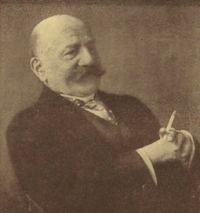
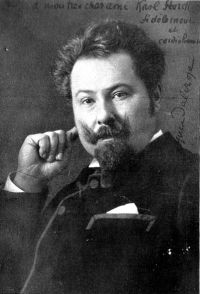
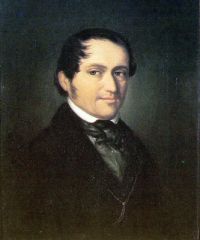
Portrait of Friedrich Wieck Friedrich Wieck,  Piano and song

“ It is common for teachers to play their accompaniments as furiously as if they had to enter into a struggle for life and death with their singers. At the beginning of the lesson, the lady singer ought to commence quite piano, at f in the one-lined octave, and to sing up and down from there through [119] five or six notes, without any expenditure of breath, and should guide and bring out her voice by a gentle practice of solfeggio; and yet you bang, and pound on the keys, as if you had to accompany drums and trumpets. ”
Source: Gutenberg

Get perspective with Kwize: daily news enlightened by great literature