Pier (architecture)

Definition and stakes

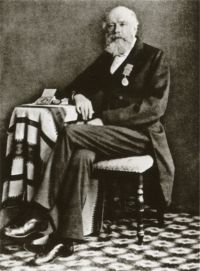
Portrait of Charles Dickens Charles Dickens,  Reprinted Pieces

“ We have a pier—a queer old wooden pier, fortunately without the slightest pretensions to architecture, and very picturesque in consequence. Boats are hauled up upon it, ropes are coiled all over it; lobster-pots, nets, masts, oars, spars, sails, ballast, and rickety capstans, make a perfect labyrinth of it. For ever hovering about this pier, with their hands in their pockets, or leaning over the rough bulwark it opposes to the sea, gazing through telescopes which they carry about in the same profound receptacles, are the Boatmen of our watering-place. ”
Source: Gutenberg

Sir George Gilbert Scott,  Lectures on the rise and development of medieval architecture…

“ The mere addition of an impost and a base to the pier does much to relieve its plainness. We may, however, as in the case of arches, substitute shafts for the divisions of the pier, or double shafts where the ribs are wide; or we may, instead of amplifying the forms of the pier, concentrate it to a column, from whose capital the ribs spring, as we have already seen in case of the double arch. ”
Source: Gutenberg

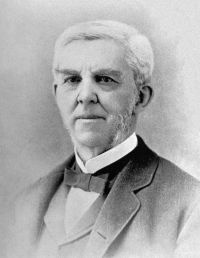
Portrait of John Ruskin John Ruskin,  The Seven Lamps of Architecture

“ The use of that member is, of course, to convey support from one pier to another when the plan of the building renders it necessary or desirable that the supporting masses should be divided into groups, the most frequent necessity of this kind arising from the intermediate range of chapels or aisles between the nave or choir walls and their supporting piers. The natural, healthy, and beautiful arrangement is that of a steeply sloping bar of stone, sustained by an arch with its spandril carried farthest down on the lowest side, and dying into the vertical of the outer pier ”
Source: Gutenberg

Get perspective with Kwize: daily news enlightened by great literature