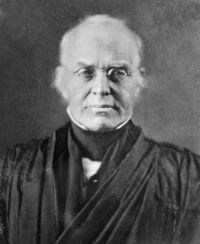
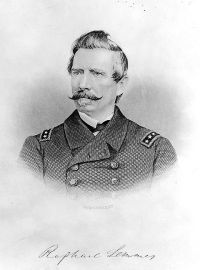
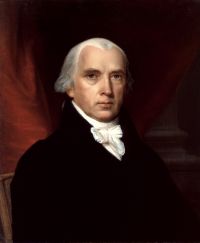
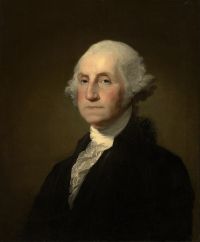
A political faction is a subgroup within a political organization, united by common goals that may differ from the larger group’s objectives. This phenomenon has been examined by thinkers such as Edmund Burke, who highlighted the unifying role of factions linked to ideological differences, and Carl Schurz, who expressed concern over their increasing impact on national unity.
In his Farewell Address, George Washington cautioned against the dangers of factionalism to democratic solidarity, stressing how it could place partisan allegiance above civic responsibility. From the Australian Labor Party to the U.S. Democratic and Republican groups, these entities influence policy through internal competition, frequently reshaping the ideological direction of their parent parties. Their persistent existence reflects an ongoing struggle between collective governance and the divisive pull of competing interests.
 Edmund Burke,
The Works of the Right Honourable Edmund Burke…