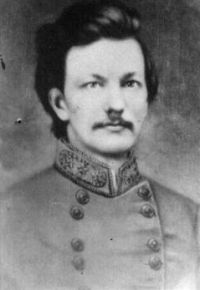
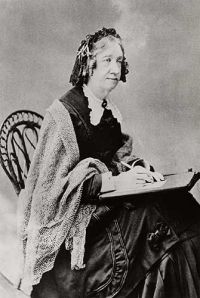
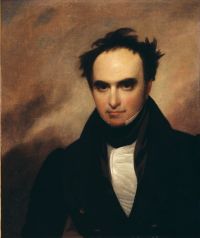
Political rights, defined as citizens' entitlements to engage in governance, form a cornerstone of democratic societies. They include freedoms such as voting, assembly, and access to legal remedies, ensuring that individuals' voices influence political systems. Authors like Carl Schurz emphasized representative governance as a safeguard of liberty, while Alexander L. Peterman viewed political rights as tools for collective decision-making.
Herbert David Croly highlighted tensions between personal freedoms and the common good, and Victoria C. Woodhull critiqued exclusions from full citizenship. These perspectives collectively underscore political rights as both a foundation for democracy and a contested arena for equality, with their fulfillment directly linked to societal stability and inclusive leadership.
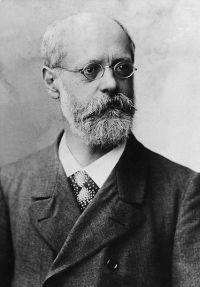 Karl Johann Kautsky,
The Road to Power
(1909)
Karl Johann Kautsky,
The Road to Power
(1909)