Porter beer

Definition and stakes

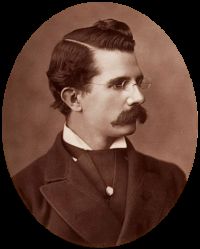
Portrait of William Black William Black,  A Practical Treatise on Brewing (1849)

“ It was afterwards imagined, that what was called the real porter flavour, could only be acquired by brewing it in large quantities at a time. As it has now been proved, however, that porter as good at least, can be made on a small scale as a large, that prejudice also has been done away with. Although we entirely disclaim all intention of giving offence to any one in particular, it is impossible to avoid remarking on the want of uniformity, and the inequality of the beer now generally produced, and which of late years have been so generally complained of by the public. ”
Source: Wikisource

John Bickerdyke,  The Curiosities of Ale & Beer: An Entertaining History

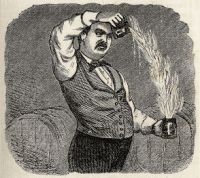
“ The burly butcher, seated outside the inn with no fear of the Sheriff in his heart, quaffs his pewter mug of foaming ale, and casts now and again an eye on the artist who is repainting the signboard. The sturdy smith, the drayman, the porter and the fishwife—all are well clad and prosperous. Houses are being built, others are being repaired, and health and wealth are visible on every side.
Beer! happy produce of our isle, Can sinewy strength impart, And wearied with fatigue and toil, Can cheer each manly heart.
”
Source: Gutenberg

John Bickerdyke,  The Curiosities of Ale & Beer: An Entertaining History

“ There is old Scotch or old Burton for the lover of strong beer, porter for the labouring classes, stout for the weakly, and last, but far from least, that splendid liquid, pale ale, which, when bottled, vies with champagne in its excellence and delicacy of flavour, and beats it altogether out of the field when we take into consideration its sustaining and restorative powers. ”
Source: Gutenberg

Get perspective with Kwize: daily news enlightened by great literature