The concept of a "prize ship" appears in both science fiction and historical maritime settings. In Philip K. Dick’s 1954 short story, it functions as a time machine, questioning ideas of scale and the universe's growth. Historically, however, the term describes ships seized during naval battles, as noted in Woodes Rogers’ writings on privateering or Louisa May Alcott’s mentions of prize money.
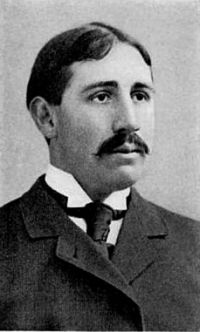
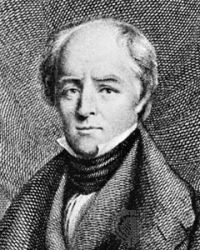
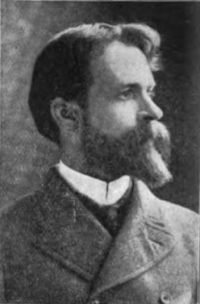
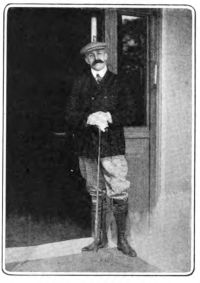
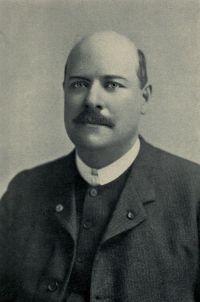
Writers such as Edward Everett Hale and Ralph Delahaye Paine examined its legal and social aspects, while others, like James Fenimore Cooper, connected it to the fellowship of life at sea. These diverse perspectives highlight how the notion of a "prize ship" links speculative technology, legal frameworks, and the persistent human themes of conflict and unity.