“ Branch-pruning is essentially the removal of superfluous branches,—those that crowd, that cross each other, that are so placed as to be profitless, that are in the way, that are injured or diseased. For the most part, the branches should be removed when they are small; but it is not possible to foresee all that may be needed in the training of the tree and, therefore, the frequent advice to prune only with a hand-knife cannot be followed. One needs a sharp pruning-saw and sometimes a chisel on a long handle. ”
Pruning hook
Definition and stakes
The theme of “pruning hook” has been addressed by authors such as J. West, Rose Georgina Kingsley, Patrick Matthew, Arthur Tappan Marvin and T. F. Bell. It is often associated with terms like plant, tree, vine, branch and bud.
Quotes about “pruning hook”
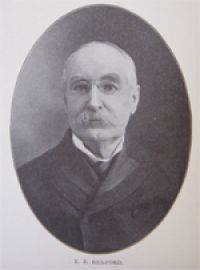 Eben E. Rexford,
A-B-C of Gardening
“ It is not too late to set out seedling plants of such perennials as phlox and hollyhock if care is taken to lift enough soil with them to insure against disturbance of their roots. Work of this kind can be done to better advantage now than in spring.Now is a good time to go over the shrubs and give such pruning as may seem necessary. As a general thing, the less pruning given a shrub the better, for if left to itself it will do a much better job of training than we are capable of doing for it. But it is advisable that all shrubs should have the old, weak wood cut away each season. ”
J. West, Remarks on the management, or rather… (1842)
“ In a Wood, or a Plantation, trees will draw up each other to a certain length, and many of the lateral branches, from the exclusion of light and air, will die, and some of them will fall off; this is, of course, natural pruning: but in a Hedge-row, they have no such help, they will, therefore, require artificial pruning; which should commence at the time of planting, and continue until it can be seen that they will assuredly acquire ample length of bole. The kind of pruning which is here advocated cannot possibly do any harm, if it be well done, and done at a proper season. ”


Related terms
Authors who wrote about “pruning hook”
J. WestRose Georgina Kingsley Patrick MatthewArthur Tappan MarvinT. F. Bell
 Izaak WaltonJohn Weathers, William Robert Worthington Williams…Gustavus A. EisenEdward BartrumJ. A. WarderM. C. BurrittU. P. HedrickE. T. CookWilliam Scrugham LyonR. H. TaylorGeorge Husmann
 L. H. Bailey
 Edward Payson RoeVarious
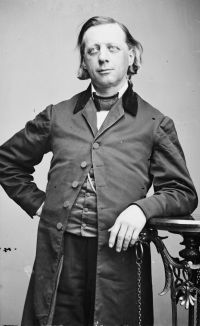 Henry Ward Beecher
Patrick MatthewArthur Tappan MarvinT. F. BellIzaak WaltonJohn Weathers, William Robert Worthington Williams…Gustavus A. EisenEdward BartrumJ. A. WarderM. C. BurrittU. P. HedrickE. T. CookWilliam Scrugham LyonR. H. TaylorGeorge HusmannL. H. BaileyEdward Payson RoeVariousHenry Ward Beecher