Pygmies

Definition and stakes

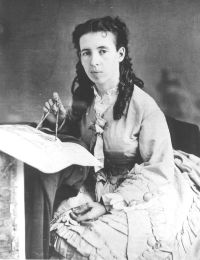
Portrait of Nathaniel Hawthorne Nathaniel Hawthorne,  Tanglewood Tales — The Pygmies (1853)

“ He left them, one and all, within their own territory, where, for aught I can tell, their descendants are alive to the present day, building their little houses, cultivating their little fields, spanking their little children, waging their little warfare with the cranes, doing their little business, whatever it may be, and reading their little histories of ancient times. In those histories, perhaps, it stands recorded, that, a great many centuries ago, the valiant Pygmies avenged the death of the Giant Antaeus by scaring away the mighty Hercules. ”
Source: Wikisource

Edward Tyson,  A Philological Essay Concerning the Pygmies of the Ancients

“ This is the place where the Pygmies are; this is no fable, saith Aristotle, as 'tis that they are a Dwarfish Race of Men; that they speak the Indian Language; that they are excellent Archers; that they are very Just; and abundance of other Things that are fabulously reported of them; and because he thought them Fables, he does not take the least notice of them, but only saith, This is no Fable, but a Truth, that about the Lakes of Nile such Animals, as are called Pygmies, do live. ”
Source: Gutenberg

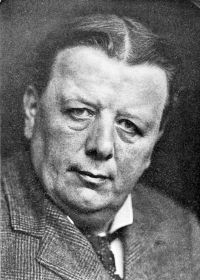
Portrait of Nathaniel Hawthorne Nathaniel Hawthorne,  Tanglewood Tales (1918)

“ However this might be, and whatever creatures the Pygmies rode upon, I do not doubt that they made a formidable appearance, armed with sword and spear, and bow and arrow, blowing their tiny trumpet, and shouting their little war-cry. They never failed to exhort one another to fight bravely, and recollect that the world had its eyes upon them; although, in simple truth, the only spectator was the Giant Antæus, with his one, great, stupid eye in the middle of his forehead. ”
Source: Wikisource

Get perspective with Kwize: daily news enlightened by great literature