Regimental commander

Definition and stakes

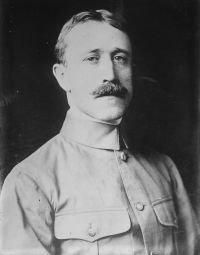
Portrait of Frederick Palmer Frederick Palmer,  My Year of the War

“ The British public loves to read of its Guards' regiment and to watch them in their brilliant uniforms at review. When a cadet comes out of Sandhurst he names the regiment which he wishes to join, instead of being ordered to a certain regiment, as at West Point. It rests with the regimental commander whether or not he is accepted. Frequently the young man of wealth or family serves in the Guards or another crack regiment for awhile and resigns, usually to enjoy the semi-leisurely life which is the fortune of his inheritance. ”
Source: Gutenberg

W. Balck,  Tactics, Volume 1 (of 2). Introduction and Formal Tactics of Infantry

“ A battalion commander should only in very exceptional cases take post in the firing line; he should nearly always remain with parts of the force that are held back for the time being, but, in any case, where he can effectively supervise his battalion. The choice of a regimental commander’s position is influenced by the same considerations; when his regiment is acting as part of a brigade, he must select his position so as to facilitate the transmission of orders from brigade headquarters. ”
Source: Gutenberg

Charles Francis Atkinson,  1911 Encyclopædia Britannica (1911)

“ Unlike the regimental commander, the sergeant-major was always mounted, and it is recorded that one officer newly appointed to the post incurred the ridicule of the army by dismounting to speak to the king. “Some veteran officers,” wrote a contemporary, “are inclined to think that the regimental commander should be mounted as well as the sergeant-major.” The regiment was as a rule formed for parade and battle either in line 10 deep or in “battalion” (i.e. mass) , Swiss fashion. ”
Source: Wikisource

Get perspective with Kwize: daily news enlightened by great literature