Representative democracy is a system in which citizens choose officials to make decisions on their behalf, differing from direct democracy. Contemporary Western democracies, such as the UK and the US, utilize this model, in which elected representatives constitute legislatures to shape policy. Thinkers like John Stuart Mill highlighted the importance of fair representation, cautioning against the dangers of majoritarian rule, while Sheila Jackson-Lee emphasized public confidence as its essential component.
The framework balances the representative's duty to their constituents with their role in exercising independent judgment, illustrating ongoing discussions about accountability and inclusiveness. Although this structure is widespread, it encounters criticism concerning its ability to genuinely reflect societal diversity and protect minority interests.
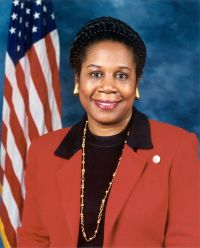 Sheila Jackson-Lee,
Congressional Record
Sheila Jackson-Lee,
Congressional Record