Royalty (law)

Definition and stakes

by Anthony Ashley Cooper,  The Earl of Shaftsbury’s Speech in the House of Lords… (1675)

“ Monarchy, if of Divine Right, cannot be bounded or limited by human Laws, nay, what’s more, cannot bind itself; and All our Claims of right by the Law, or Constitution of the Government, All the Jurisdiction and Priviledge of this House, All the Rights and Priviledges of the House of Commons, All the Properties and Liberties of the People, are to give way, not only to the interest, but the will and pleasure of the Crown. ”

Source: Wikisource

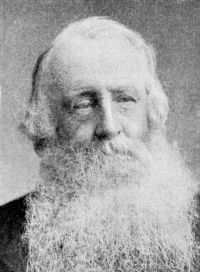
Portrait of Frederic Austin Ogg Frederic Austin Ogg,  The Governments of Europe

“ The meaning of the aphorism is that, while the sovereign is possessed of all of the inherent dignity of royalty, it is left to him actually to exercise in but a very restricted measure the powers which are involved in the business of government. Technically, all laws are made by the crown in parliament; all judicial decisions are rendered by the crown through the courts; all laws are executed and all administrative acts are performed by the crown. ”
Source: Gutenberg

J. N. Larned,  History for ready reference, Volume 1…

“ When the heir of the crown, at the decease of the king, is under age, the council of state shall issue summons to the representatives to meet. The estates of the realm shall have the right, without regard to the will of a deceased king concerning the administration, to appoint one or several guardians, to rule in the king's name, according to this fundamental law, till the king becomes of age. ”
Source: Gutenberg

Get perspective with Kwize: daily news enlightened by great literature