Sable (fur)

Definition and stakes

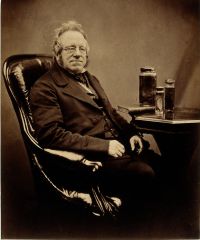
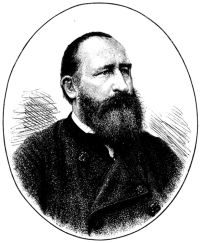
Portrait of Alfred Edmund Brehm Alfred Edmund Brehm,  From North Pole to Equator: Studies of Wild Life and Scenes in Many Lands (1896)

“ As a beast of the chase, only the sable takes higher rank. For the sake of the fox alone professional hunters undertake winter expeditions which often take them as far into the heart of the forest as the sable-hunters are wont to penetrate. Especially for it do the Ostiaks and Samoyedes set their spring-bows, and they spare no trouble in their search for the burrow where the young are hidden, not in order to kill them, but that they may rear them carefully and tenderly till they become large and strong, and gain, in their first or second winter, their beautiful fur. ”

Source: Gutenberg

The Circle of Knowledge: A Classified…

“ Sable (Martes zibellina) , a species of Marten. The feet are covered with fur, even on the soles, and the tail is rather more bushy than in the martens. The length, exclusive of the tail, is about eighteen inches. The fur is brown, grayish yellow on the throat, and small, grayish-yellow spots are scattered on the sides of the neck. The whole fur is extremely lustrous, and hence of the very highest value. The sable is a native of Siberia, widely distributed over that country, and found in its coldest regions, at least wherever forests extend. It is a very wary animal, and not easily captured. ”
Source: Gutenberg

Homer B. Hulbert,  In Search of a Siberian Klondike

“ If the sables are frozen they thaw them out by putting them under the bedclothes with them. When the skins are taken off, all present sit down and are silent, being careful that nothing is hanging on the stakes. The body of the sable is laid upon dried sticks, and these are afterward lighted, the body of the animal smoked, and then buried in the snow or the earth. ”
Source: Gutenberg

Get perspective with Kwize: daily news enlightened by great literature