Sail (boat)

Definition and stakes

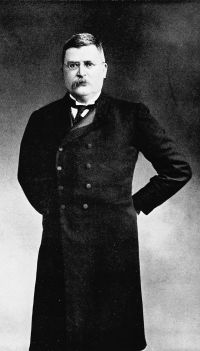
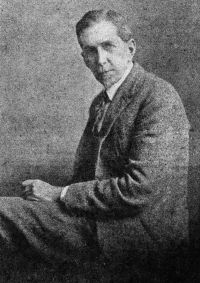
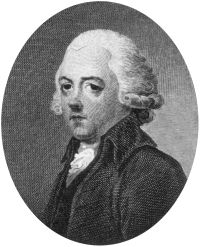
Portrait of William Clark Russell William Clark Russell,  My Danish Sweetheart: A Novel. Volume 2 of 3

“ I see the crystals of rain flashing past the lantern, and blinding the glass of it with wet; I feel again the rush of the fierce squall upon my face, making breathing a labour, while I grab hold of the canvas, and help the men to drag the great, sodden heavy sail into the boat. We worked desperately, and, as I have said, in a few minutes we had got the whole of the sail out of the water; but the mast was too heavy to handle in the blackness, and it was left to float clear of us by the halliards till daylight should come. ”
Source: Gutenberg

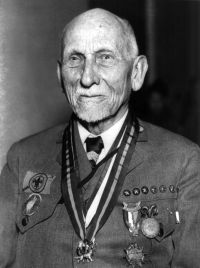
Boy Scouts of America,  Boy Scouts Handbook

“ To understand the principle of sailing we must realize that a sail-boat, without the use of a rudder, acts in the water and wind very much the way a weather vane acts in the air. The bow of the boat naturally turns toward the wind, thus relieving the sail of all pressure and keeping it shaking. But if by keeping the main sheet in your hand you hold the sail in a fixed position, and, at the same time, draw the tiller away from the sail, it will gradually fill with air beginning at the hoist or mast end of the sail and impel the boat in the direction in which you are steering. ”
Source: Gutenberg

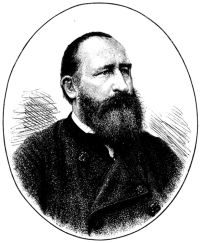
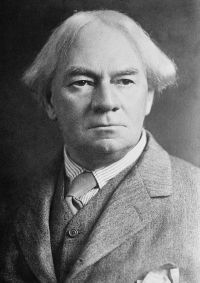
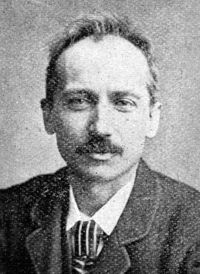
Portrait of Hilaire Belloc Hilaire Belloc,  Esto perpetua (1906)

“ Their curves and fulness always suggest a movement of the hull. Very often at sunset 14when the dead calm reflects things unbroken like an inland pond, the topmost angle of these lateens catches some hesitating air that stirs above, and leads it down the sail, so that a little ripple trembles round the bows of the boat, though all the water beside them is quite smooth, and you see her gliding in without oars. ”
Source: Gutenberg

Get perspective with Kwize: daily news enlightened by great literature