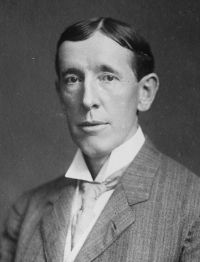
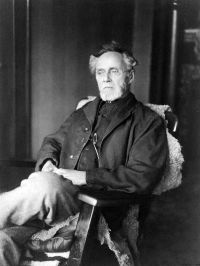
Scoliosis, a medical condition characterized by an irregular, three-dimensional curvature of the spine, differs from kyphosis and lordosis in that it affects the coronal plane. This structural deformity, often S- or C-shaped, may worsen over time, influencing posture, movement, and, in severe cases, respiratory function. While genetic and environmental factors contribute to its development, authors like Hector Charles Cameron stressed the importance of muscular tone in preventing postural abnormalities, pointing out that weak musculature increases the risk of scoliosis.
Alexander Miles examined mechanical causes, such as leg length discrepancies, which lead to compensatory spinal deviations, while Joy Maxwell Loban emphasized the interaction between primary and secondary curvatures in maintaining bodily balance. John Jackson connected school posture practices to the emergence of scoliosis, highlighting environmental influences. These viewpoints together illustrate scoliosis as a complex condition shaped by both structural and functional elements, rather than simple postural habits.