Sheep farming

Definition and stakes

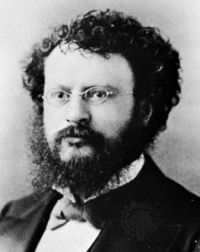
Portrait of John Fiske John Fiske,  Old Virginia and Her Neighbours…

“ For more than a century the wool trade had been waxing so profitable that great tracts of land which had formerly been subject to tillage were year by year turned into pastures for sheep. This process not only tended to raise the price of food, but it deprived many people of employment, since sheep-farming requires fewer hands than tilling the soil. Since the accession of [Pg 47] Henry VIII. there had been many legislative attempts to check the conversion of ploughed land into grassy fields, but the change still continued to go on. ”
Source: Gutenberg

Harriett Bradley,  The Enclosures in England: An Economic Reconstruction

“ The high profit made from sheep-raising cannot be [Pg 107/263] explained by fluctuations in the price of wool. The price of wool fell in the fifteenth century. Sheep-farming was comparatively profitable because the soil of the ancient fields was too barren to repay the costs of tillage. Land which was in part already abandoned, was turned into pasture. The barrenness and low productivity of the common fields is explicitly recognised by contemporaries, and is given as the reason for the conversion of arable to pasture. ”
Source: Gutenberg

Harriett Bradley,  The Enclosures in England: An Economic Reconstruction

“ Systematic enclosure for the purpose of sheep-farming on a large scale was but the final step in a process of progressively less intense cultivation which had been going on for centuries. The attention of some historians has been devoted too exclusively to the covetous sheep-master, against whom contemporary invective was directed, and the process which was going on in fields where no encloser was at work has escaped their notice. ”
Source: Gutenberg

Get perspective with Kwize: daily news enlightened by great literature